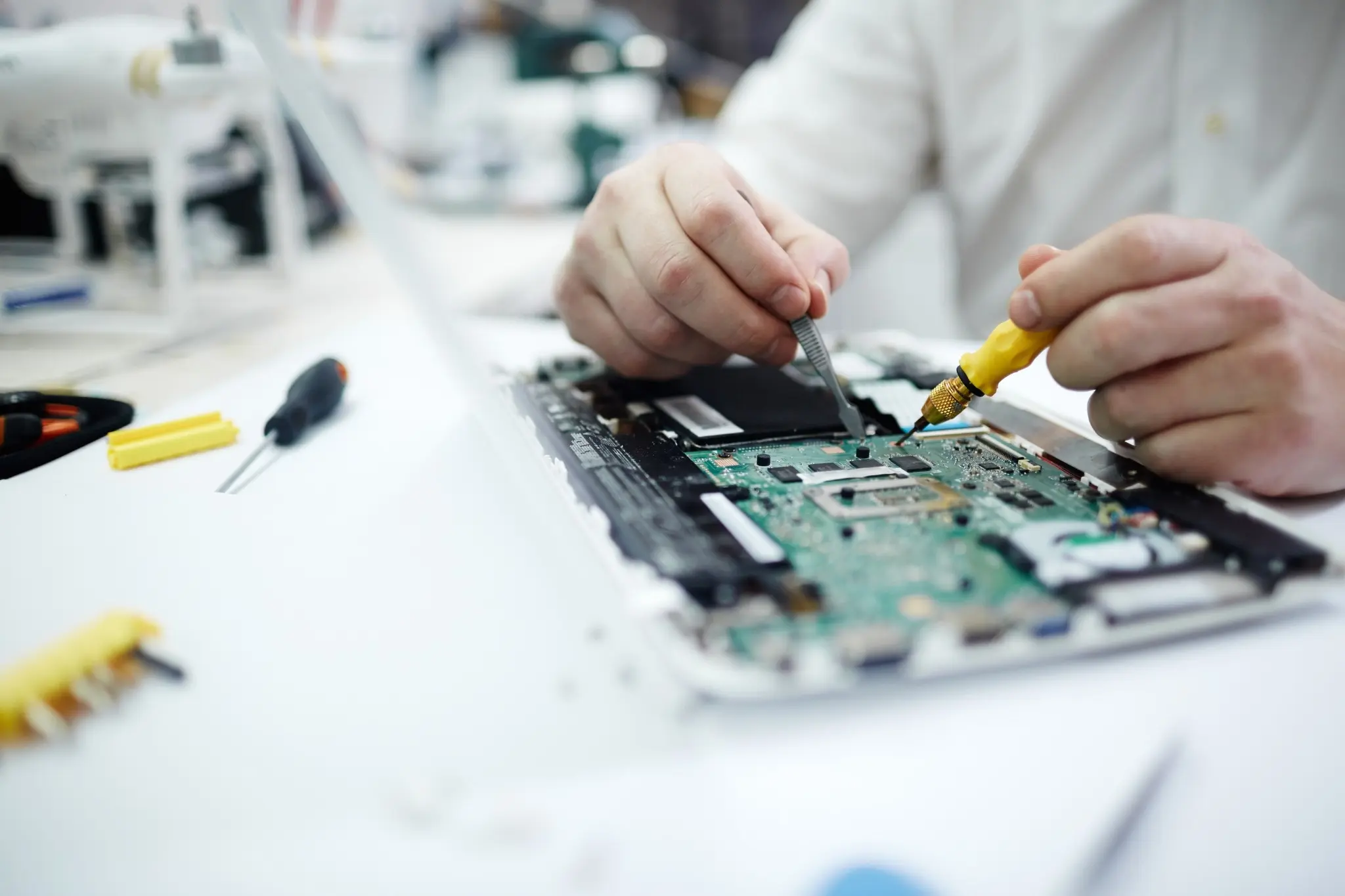
Indonesia is one of the largest consumer markets in Southeast Asia, making it an attractive destination for global manufacturers of electronic devices, telecommunications equipment, and IoT products.
Many foreign companies invest significant resources into product development, international certifications, manufacturing, and distribution planning. However, they often discover a critical issue when preparing to enter Indonesia:
Their products cannot legally be sold until they meet Indonesia’s telecom certification requirements.
One of the biggest surprises for foreign manufacturers is that certifications such as CE Marking, FCC Approval, or other international standards do not automatically grant access to the Indonesian market.
In many cases, products that transmit, receive, or process radio frequency signals require Postel Certification, also known as SDPPI Certification, before they can be legally imported, distributed, or marketed in Indonesia.
The Fact Most Foreign Manufacturers Learn Too Late
Many companies assume that because their products are already certified in Europe, the United States, or other international markets, they can immediately begin selling in Indonesia.
Unfortunately, this is not always the case.
Indonesia maintains its own telecommunications certification framework.
This means that a product approved elsewhere may still require additional testing, evaluation, and certification before entering the Indonesian market.
For manufacturers launching products under tight deadlines, discovering this requirement late in the process can result in significant delays and unexpected costs.
What Is Postel Certification?
Postel Certification is Indonesia’s approval process for telecommunications and radio-frequency devices.
Today, it is commonly associated with SDPPI Certification, which falls under Indonesia’s telecommunications regulatory framework.
The purpose of certification is to ensure that devices:
- Operate safely
- Meet technical standards
- Do not cause harmful interference
- Comply with Indonesian telecommunications regulations
The certification process helps protect consumers while ensuring compatibility and reliability within Indonesia’s telecommunications ecosystem.
Which Products Typically Require Postel Certification?
Many businesses are surprised by the range of products that may require certification.
It is not limited to smartphones or telecommunications equipment.
Products that commonly require SDPPI certification include:
Smartphones and Tablets
Devices that connect to cellular networks, Wi-Fi, or Bluetooth services.
Wi-Fi Routers and Access Points
Network equipment used in homes, offices, and industrial environments.
IoT Devices
Smart home devices, sensors, industrial monitoring equipment, and connected devices.
Bluetooth Products
Wireless speakers, headphones, wearable devices, and accessories.
Telecommunications Equipment
Communication systems, network infrastructure equipment, and related hardware.
Smart Consumer Electronics
Products that communicate wirelessly with other devices or cloud-based platforms.
Industrial Wireless Equipment
Manufacturing, logistics, and automation systems using wireless communication technologies.
The specific certification requirements depend on the technical functions of the device.
Why International Certifications Are Not Enough
One of the most common misconceptions among manufacturers is:
“Our product already has CE and FCC certification, so we should be ready for Indonesia.”
While international certifications demonstrate product quality and safety, they do not replace local regulatory requirements.
Think of it this way:
CE Certification
Demonstrates compliance with European standards.
FCC Certification
Demonstrates compliance with U.S. radio frequency regulations.
Postel / SDPPI Certification
Demonstrates compliance with Indonesia’s telecommunications requirements.
Each certification serves a different regulatory purpose.
A product may require multiple certifications to access different global markets.
What Happens If You Try to Sell Without Certification?
Some companies attempt to begin importing or marketing products before completing certification requirements.
This can create significant challenges.
Risk #1: Import Delays
One of the most common issues occurs during importation.
Products requiring certification may face delays if regulatory requirements have not been satisfied.
For companies launching new products, these delays can disrupt sales schedules and supply chains.
Risk #2: Delayed Market Entry
Many businesses plan product launches months in advance.
Unexpected certification issues can postpone:
- Product launches
- Marketing campaigns
- Distribution agreements
- Sales activities
This may allow competitors to gain an advantage in the market.
Risk #3: Distribution Challenges
Distributors and retailers increasingly expect manufacturers to demonstrate regulatory compliance before accepting products.
Without proper certification, companies may struggle to secure distribution partnerships.
Risk #4: Compliance Concerns
Telecommunications equipment is subject to regulatory oversight.
Failure to address certification requirements may create compliance risks that affect long-term business operations.
Risk #5: Lost Revenue Opportunities
Every month of delay can result in missed sales opportunities, particularly in fast-moving technology sectors.
For rapidly growing industries such as IoT and smart devices, timing is often critical.
Why IoT Companies Should Pay Special Attention
The rapid growth of IoT technology has created new compliance challenges.
Many IoT manufacturers focus heavily on:
- Product innovation
- Connectivity
- User experience
- Cloud integration
However, they sometimes overlook local telecommunications regulations.
Products such as:
- Smart sensors
- Smart meters
- Asset tracking devices
- Industrial monitoring systems
- Connected appliances
often incorporate wireless communication technologies that may trigger certification requirements.
As Indonesia continues investing in smart cities, manufacturing, and digital transformation, IoT compliance is becoming increasingly important.
The Business Impact of Proper Telecom Certification
Many companies view certification as a regulatory hurdle.
In reality, proper certification can become a competitive advantage.
Benefits include:
Faster Market Access
Certified products can enter the market with greater confidence.
Stronger Distributor Relationships
Compliance supports smoother negotiations with distributors and partners.
Enhanced Customer Trust
Certification demonstrates commitment to quality and regulatory standards.
Reduced Regulatory Risk
Companies can focus on growth rather than compliance issues.
Better Long-Term Expansion Opportunities
A compliant market entry strategy supports future product launches and portfolio expansion.
Common Mistakes Foreign Manufacturers Make
Many certification delays occur because of avoidable mistakes.
The most common include:
Assuming International Certifications Are Sufficient
Local certification requirements are often overlooked.
Waiting Until Importation
Some companies begin the certification process too late.
Incorrect Product Classification
Misclassification can lead to unnecessary delays.
Incomplete Documentation
Missing technical documents frequently slow approval processes.
Lack of Regulatory Planning
Certification requirements should be considered during market entry planning, not after product launch preparation begins.
Why Early Certification Planning Matters
Successful companies often treat certification as part of their market entry strategy rather than a final administrative task.
By evaluating certification requirements early, businesses can:
- Reduce launch delays
- Improve budgeting accuracy
- Support distributor onboarding
- Accelerate commercialization
- Strengthen compliance management
For companies targeting Indonesia’s rapidly growing technology market, early preparation can significantly improve speed to market.
How Big Fish Global Can Help
At Big Fish Global, we assist manufacturers, importers, and technology companies with regulatory compliance and market entry requirements in Indonesia.
Our services include:
✔ Postel Certification Support
✔ SDPPI Certification Assistance
✔ Telecom Certification Consulting
✔ Product Compliance Reviews
✔ Import Compliance Advisory
✔ Business Licensing Services
✔ Market Entry Support for Foreign Companies
Our team helps businesses navigate Indonesia’s regulatory environment efficiently, reducing delays and supporting successful product launches.
Conclusion
Indonesia offers tremendous opportunities for manufacturers of electronic devices, telecommunications equipment, and IoT products.
However, entering the market requires more than product innovation and international certifications.
The reality is that many wireless and telecommunications products cannot be legally marketed until they meet Indonesia’s Postel or SDPPI certification requirements.
By understanding these obligations early and incorporating certification into your market entry strategy, your company can avoid costly delays, strengthen compliance, and accelerate growth in one of Southeast Asia’s most promising technology markets.
Need Help With Postel Certification in Indonesia?
Big Fish Global provides professional support for Postel Certification, SDPPI Certification, telecom compliance, and product market entry services. Contact our team today to determine whether your product requires certification and how to bring it to the Indonesian market efficiently.