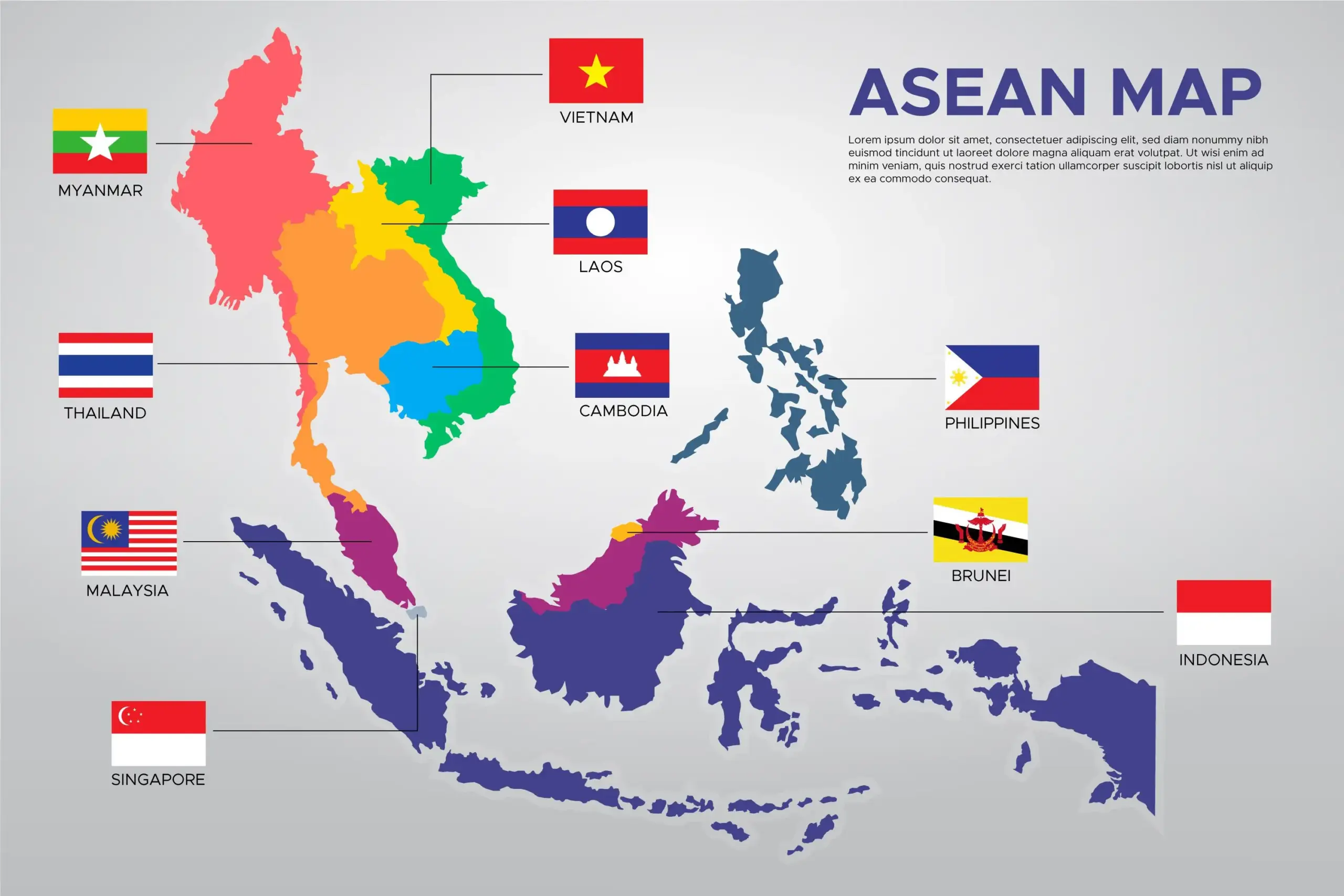
For years, companies expanding into Southeast Asia focused primarily on market opportunities.
The region offered:
- Rapid economic growth
- Expanding middle-class populations
- Rising digital adoption
- Increasing foreign investment
Today, those opportunities remain.
However, a new challenge is emerging.
The competition is no longer only for customers.
It is increasingly for talent.
Across Southeast Asia, businesses are competing for the engineers, managers, analysts, sales professionals, and technology specialists needed to drive growth.
In many cases, the ability to attract talent has become just as important as the ability to attract customers.
Southeast Asia Is Growing Faster Than Its Talent Pipeline
The region continues to attract investment across industries.
Technology companies are expanding.
Manufacturing projects are increasing.
Financial services firms are growing regional operations.
Data center investments continue to rise.
The problem is that talent development often moves more slowly than business expansion.
While capital can be deployed quickly, skilled professionals take years to develop.
This imbalance is creating significant workforce pressures.
Talent Is Becoming a Strategic Asset
Historically, businesses viewed talent as an operational requirement.
Today, leading organizations increasingly view talent as a strategic asset.
The right people can:
- Accelerate expansion
- Improve innovation
- Strengthen customer relationships
- Enhance productivity
- Create competitive advantages
As a result, workforce strategy is becoming a boardroom discussion rather than solely an HR responsibility.
Why Talent Shortages Are Becoming More Visible
Several factors are contributing to workforce shortages across Asia.
Digital Transformation
Organizations require more technical talent than ever before.
Aging Populations
Several Asian economies face demographic challenges.
New Industries
Emerging sectors create demand for specialized skills.
Regional Competition
Companies increasingly recruit from the same talent pools.
These factors have intensified competition across multiple industries.
The Rise of Cross-Border Recruitment
Companies are no longer limiting recruitment to a single country.
Instead, organizations increasingly search regionally for talent.
A company headquartered in Singapore may recruit from:
- Indonesia
- Malaysia
- Vietnam
- Philippines
- Thailand
This trend is reshaping workforce strategies throughout Southeast Asia.
Indonesia Is Becoming a Key Talent Market
Indonesia is attracting growing attention from international employers.
Several factors explain why.
Large Workforce
Indonesia has one of the largest labor forces in Asia.
Young Population
The country continues benefiting from favorable demographics.
Growing Professional Talent
More professionals are gaining international experience.
Digital Economy Expansion
Technology adoption continues accelerating.
As workforce shortages intensify elsewhere, Indonesia’s talent market becomes increasingly attractive.
Remote Work Changed the Rules
The rise of remote and hybrid work has fundamentally altered talent competition.
Organizations can now hire skilled professionals regardless of location.
This creates opportunities for employers.
It also increases competition for workers.
A talented professional in Jakarta may now receive opportunities from companies based in:
- Singapore
- Australia
- Japan
- Europe
- North America
Talent markets have become global.
Compensation Is No Longer the Only Factor
While salary remains important, workforce expectations have evolved.
Many professionals also prioritize:
- Career growth
- Flexible work arrangements
- Learning opportunities
- Leadership quality
- Company culture
Employers that focus solely on compensation may struggle to attract top performers.
Why Leadership Matters More Than Ever
Strong leadership has become a major differentiator.
Employees increasingly seek managers who provide:
- Direction
- Coaching
- Transparency
- Development opportunities
Organizations with strong leaders often enjoy better retention and stronger workforce engagement.
The Skills That Are Most in Demand
Although every industry is different, several skill categories consistently appear in demand.
These include:
Technology
Software development, cybersecurity, cloud computing, and AI.
Data Analytics
Organizations increasingly rely on data-driven decision-making.
Engineering
Infrastructure, manufacturing, and energy projects require technical expertise.
Sales & Business Development
Companies continue expanding into new markets.
Leadership & Management
Experienced managers remain difficult to find.
Demand in these areas is expected to remain strong throughout the decade.
Why Retention Is Becoming More Important
Hiring alone is no longer enough.
Companies increasingly focus on retaining high-performing employees.
The cost of turnover can be significant.
Organizations lose:
- Institutional knowledge
- Customer relationships
- Productivity
- Recruitment investment
As competition intensifies, retention becomes a strategic priority.
Talent Strategy Is Becoming Expansion Strategy
In the past, companies often expanded first and recruited later.
Today, the sequence is frequently reversed.
Organizations increasingly evaluate:
- Talent availability
- Workforce quality
- Leadership pipelines
- Hiring costs
before entering new markets.
Workforce strategy is becoming a core component of expansion strategy.
What This Means for Foreign Companies
International businesses entering Southeast Asia should recognize that talent competition is likely to intensify.
Successful organizations typically:
- Build talent pipelines early
- Invest in employer branding
- Develop leadership capability
- Create workforce flexibility
- Think regionally rather than locally
These practices improve long-term competitiveness.
Where Employer of Record Fits In
For companies looking to access talent quickly, workforce flexibility can be valuable.
An Employer of Record Indonesia solution allows organizations to:
- Hire employees in Indonesia
- Build local teams without establishing a legal entity
- Maintain compliance
- Scale operations based on business needs
An EOR Indonesia model can help businesses access Indonesia’s growing talent market while reducing administrative complexity.
Conclusion
Southeast Asia’s talent competition is entering a new phase.
The region’s growth opportunities remain significant, but the race for skilled professionals is becoming increasingly intense.
Organizations that treat talent as a strategic asset rather than an operational necessity will be better positioned for long-term success.
Indonesia’s large workforce, favorable demographics, and expanding professional talent base make it one of the most important markets in this evolving landscape.
The companies that win the next decade may not be those with the largest budgets.
They may be the ones that build the strongest teams.